

Understanding blood pressure: what’s normal & what’s not
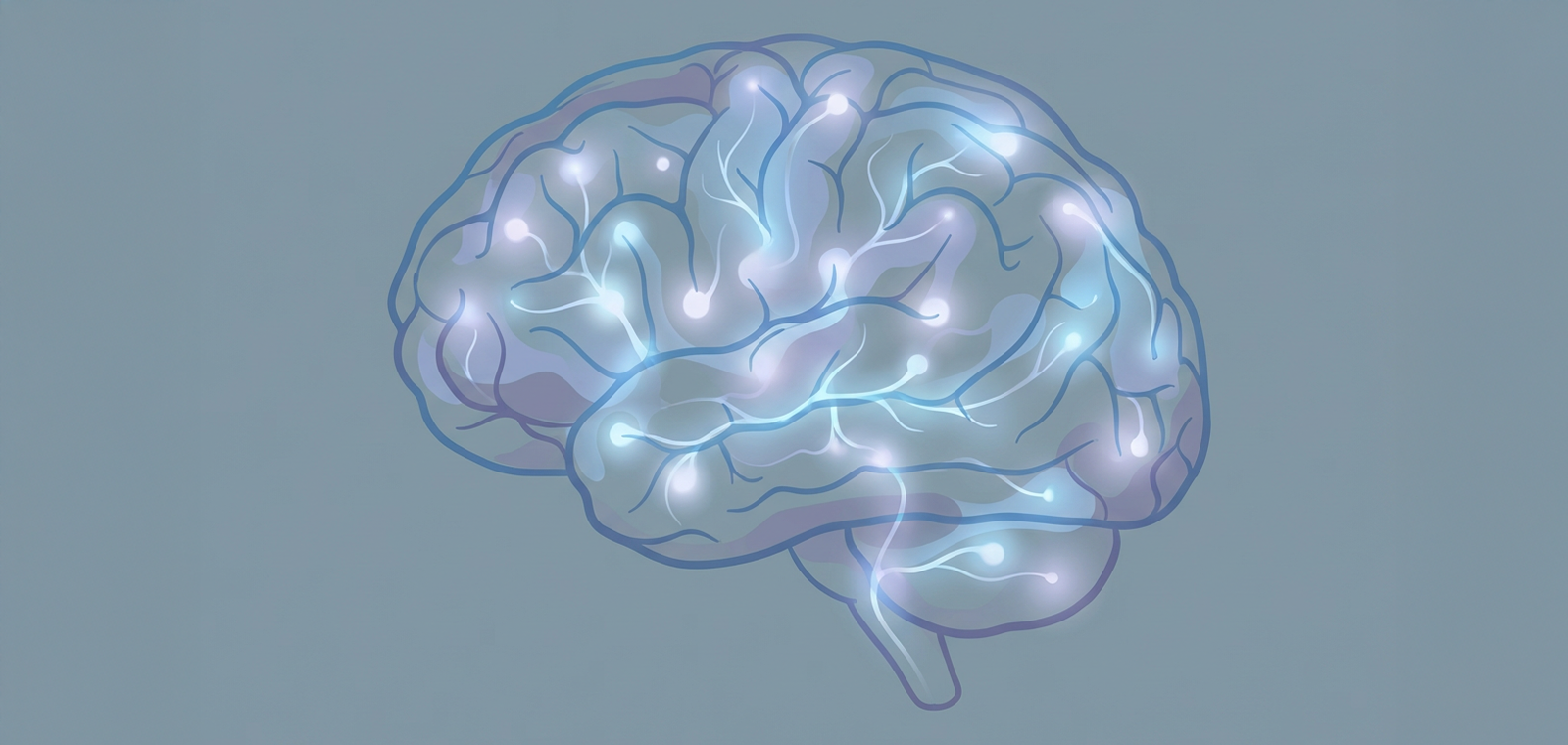

Attention-Deficit/Hyperactivity Disorder (ADHD) is one of the most misunderstood neurodevelopmental conditions. This article explains what ADHD actually is, how it affects the brain, and dispels common myths that often prevent people from seeking proper care.
ADHD is not simply a problem of attention or behavior. It is a neurodevelopmental condition that affects executive functioning, including focus, impulse control, emotional regulation, and working memory. ADHD can present differently depending on age, environment, and individual brain development.
There are three primary presentations of ADHD: predominantly inattentive, predominantly hyperactive-impulsive, and combined type. Children may struggle in academic settings, while adults often face challenges related to organization, time management, and emotional regulation.
One of the most persistent misconceptions is that ADHD is caused by poor parenting, excessive screen time, or lack of discipline. Decades of research show that ADHD has strong genetic and neurobiological components. Brain imaging studies consistently demonstrate differences in the areas responsible for attention regulation and executive functioning.
Understanding ADHD as a medical and neurological condition is the first step toward reducing stigma and improving outcomes. With proper evaluation and evidence-based care, individuals with ADHD can thrive across all stages of life.
Sources
- Centers for Disease Control and Prevention
- National Institute of Mental Health
- CHADD